
Introduction:
Visuals are vital in affecting how people interact with internet platforms and websites in this day of internet. Long ago, websites might have to rely only on text to attract readers.Think of an internet clothing keep. Product pictures show texture, coloration, and fit. Or believe a tour website where beautiful snap shots spark instant wanderlust. These pix form how visitors see fee and agree with. They emerge as relevant to the surfing revel in. But even though high-quality visuals are vital, balancing great and performance is a steady challenge. Large, unedited documents slow websites down. This hassle is worse on cell networks or in regions with vulnerable net connections. Research shows that traffic depart sluggish web sites quickly often inside only a few seconds. This makes speed a serious trouble. Search engines additionally prioritize performance. Slow-loading websites not handiest frustrate users however also rank lower in search consequences. The venture is clear: supply sharp, immersive photographs without making the internet site gradual.
High-pleasant pix are critical for each website. They help seize interest and make content greater engaging. But they also create a undertaking. The real venture is to discover stability between picture first-rate and internet site performance. A huge photo can also appearance sharp and sensible on a laptop display. It can spotlight detail, colour, and texture. But if now not optimized, the equal picture can slow down a cellular internet site. This trouble will become worse on slower net connections. Slow-loading pages frustrate visitors. Even a delay of one second can cause users to go away. Research suggests this drop impacts engagement, conversions, and sales. Many clients never go back after they face a bad loading experience. This problem is commonplace across industries. Designers need pics that appearance professional. Developers need pages that load speedy. Content creators need visuals that connect with audiences. The warfare is to maintain pictures brilliant and crisp even as making sure speedy, responsive, and SEO-pleasant web sites. The answer is clever, deliberate optimization. Image optimization is not only shrinking resolution until pictures lose their appeal or shrinking files. Rather, it entails utilizing contemporary tools, methods, and layouts to reduce file sizes while maintaining visual fidelity.
Understanding the Foundations of Image Optimization
The Role of Images in Modern Websites:
Key to how websites interact with their audience now are images, which serve more than only decoration or aesthetic value. Often making the first impression on customers, they are basic story tools that communicate ideas much more quickly than words. Consider an e-commerce site. A product picture must quick display texture, colour, and enchantment. It regularly captures the purchaser’s attention earlier than they examine the description. But a blurry or poorly edited photograph sends the incorrect sign. It makes buyers doubt the pleasant of the product. It also can harm agree with in the logo’s professionalism. In fields like travel, photography, fashion, even education, images also express the emotional depth words alone fall short of. Though a travel blog may depict a beautiful beach, the high-resolution, immersive image motivates the reader to picture themselves there. Photographs—the quiet ambassadors of substance affect brand perception, emotional resonance, and ultimately consumer involvement.
But the high reliance on visuals generates challenges designers and developers must handle effectively. Pictures make up the bulk of a page’s weight unlike words, which downloads quickly and need minimal bandwidth. Loading times might be much slowed down by a large hero banner or great product catalog if not properly optimized. Users count on immediate get admission to, regardless of the device or net pace. This is even greater vital in nowadays’s cellular-first global. Studies show that almost 40% of visitors leave if a domain takes extra than 3 seconds to load. Unoptimized pics are one of the important reasons of this slowdown. The paradox is evident: though pictures are vital for involvement, mismanaged photographs could deter visitors. Knowledge of their part comes first hence toward developing a plan that combines aesthetics and practicality. Since pictures must complement the site—not work against it—carefully thought-out, informed optimization choices are required.
Why Image Optimization Matters for SEO and Performance:
SEO, or search engine optimization, and website performance are closely related; image optimization has a great effect on both. Google and other search engines have started to emphasize user experience by changing their ranking algorithms; website speed is among the major criteria they assess. Large, uncompressed images can many megabytes boost file sizes, therefore decelerating page load times and demanding browsers to manage more data. This notifies search engines that the website might not offer a flawless browsing experience and also enrages customers should it happen. Consequently, sites with badly optimized pictures are often pushed down in search results, so it is more difficult to get organic traffic. Apart from speed, better photos enhance indexing as well as accessibility. Besides helping those with vision impairments, descriptive alt text helps search engines with context, hence increasing the likelihood that images will appear in Google Image search results. For businesses, this provides another avenue of discovery and possible traffic otherwise missed.
From a performance standpoint, the benefits of optimization go beyond search engine optimization rankings; they directly influence conversions and engagement. According to data, a one second delay in page load might reduce conversions by 7%. When websites have dozens or even hundreds of photos, the combined effect of poor optimization could be disastrous. For example, an online shoe store might utilize multiple product angles and close-up photos; should each of those files be poorly compressed, the ensuing slow page speed might cause consumers to leave their shopping carts in annoyance. On the other hand, well scaled photographs can lower bandwidth use, relieve server strain, and offer across devices a more flawless browsing experience. This is especially relevant for mobile users, who regularly rely on slower cellular connections instead of rapid WIFI. Prioritizing optimization enables businesses to please search engines as well as value their customers’ time and attention, hence building trust and encouraging more careful involvement. Pictures optimization forms an essential basis of modern web design that affects visibility, usability, and profitability it is not a technical afterthought.
Choosing the Right Image Formats and Tools
Comparing Popular Image Formats (JPEG, PNG, WebP, AVIF):
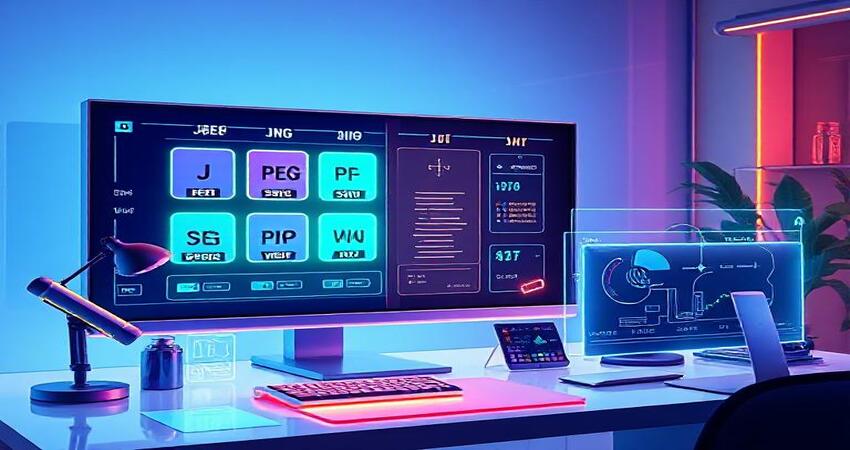
When it involves optimizing pix for websites, expertise the variations among famous formats like JPEG, PNG, WebP, and AVIF is critical. JPEG is one of the oldest and most extensively used formats, perfect for pics because it compresses photographs effectively at the same time as retaining acceptable pleasant. However, repeated saving can degrade exceptional, and it doesn’t guide transparency. PNG, alternatively, is best for photographs, logos, or photographs requiring a transparent history, as it preserves sharpness and element however often effects in large report sizes compared to JPEG. Choosing between those two formats often comes down to balancing satisfactory and report size primarily based at the sort of image you’re the usage of.
In current years, modern-day codecs like WebP and AVIF have received recognition for their superior compression and quality abilities. WebP offers both lossy and lossless compression, extensively lowering record sizes without major exceptional loss, making it outstanding for net overall performance. AVIF, a newer layout, pushes this even further, presenting higher compression rates and better photo satisfactory, though browser aid remains growing. By evaluating these codecs, internet site owners and builders can make informed decisions, making sure faster loading times, progressed person experience, and better search engine optimization overall performance.
Choosing the Right Image Formats and Tools:
Selecting the right image format is one of the most vital steps in growing a visually appealing and excessive-acting website. Different varieties of snap shots serve one of a kind functions, and every format comes with precise advantages. For example, JPEGs are perfect for pix and images with complicated color gradients because they compress efficiently without a full-size loss in visual fine, which allows pages load quicker. On the other hand, PNGs are best for photographs, trademarks, and pix that require transparency or sharp edges, as they keep element and readability even after compression. Modern formats like WebP and AVIF take this even further, providing superior compression whilst maintaining picture excellent, which makes them highly powerful for websites where pace and overall performance are essential.
Equally essential is the choice of tools to optimize and control these photographs efficaciously. Optimization tools which include TinyPNG, ImageOptim, and Squash make image compression easy. They reduce report length without sacrificing best. Many of those tools also offer batch processing. This saves time and maintains images regular across a website. They regularly combine easily with famous content material control structures. This makes it simpler to keep super visuals on every web page. For local organizations, which includes the ones in Bristol, the proper codecs and gear make a big distinction. They enhance web site pace, person experience, and search visibility. Fast-loading, sharp pix benefit each visitors and search rankings.
Choosing the Right Image Formats and Tools for Your Website
Understanding Image Formats and Their Uses:
Choosing the right image layout starts offevolved with expertise the particular strengths and barriers of every type. JPEGs are best for images and photos with rich colour gradients, providing a very good stability between visual best and document size. They are broadly supported throughout all browsers and gadgets, making them a secure and dependable choice for most web content. However, repeated compression can result in a slow lack of great, which is why proper optimization is prime. PNGs, in contrast, are higher proper for pics, logos, and photos that require transparency or sharp edges. They keep each element, making them best for illustrations, icons, and textual content-heavy photographs, although they regularly bring about larger record sizes compared to JPEGs. Choosing the proper layout guarantees that pictures keep their clarity even as optimizing web page speed, a important issue in person experience and search engine optimization.
In addition to JPEG and PNG, modern formats like WebP and AVIF have revolutionized internet site performance by means of providing advanced compression without major satisfactory loss. WebP helps each lossy and lossless compression, permitting builders to lessen file sizes appreciably even as keeping visible constancy. AVIF takes compression even in addition, offering better efficiency and better image pleasant at smaller sizes, although browser assist continues to be developing. By selecting the proper layout for each kind of picture, organizations can reduce loading instances search effects. Understanding those formats and strategically making use of them allows commercial enterprise websites to remain fast, professional, and aggressive.
Tools for Optimizing and Managing Images:
Once the proper picture codecs are selected, using the proper gear to optimize and manage these pictures is similarly crucial. Tools which includes TinyPNG, ImageOptim, and Squoosh allow users to compress pics correctly, retaining first-class whilst appreciably lowering file length. Many of those tools provide batch processing, which saves time and ensures consistency throughout more than one photographs on a website. Optimization also includes resizing pix to healthy their meant show on one of a kind gadgets, as oversized snap shots can slow down web page loading. For corporations, particularly people with huge photograph libraries, these gear are worthwhile for preserving a quick, consumer-pleasant internet site without compromising visual appeal.
Moreover, cutting-edge gear frequently combine seamlessly with content material control systems like WordPress, Shopify,, ensuring the modern day overall performance requirements are met without requiring manual attempt. Local companies need to attract clients online. The right optimization tools help. They enhance search rankings. They also enhance engagement. Fast-loading pix remember. High-best images enhance design. They create a professional look. They preserve site visitors longer. Better visuals force conversions. They also assist business boom.
Conclusion
Choosing the proper image codecs and gear is in no way a simple technical choice. It is a complete strategic move that influences many components of a internet site. A speedy-loading web page is not simply convenient. It additionally builds believe with users who expect easy performance on every tool. Search engines now measure these signals closely. A site that offers speed and best together is much more likely to appear better in consequences. Every picture format carries particular benefits. JPEG is lightweight and flexible. PNG holds robust element and transparency. WebP blends both velocity and readability. Understanding which layout to apply in each state of affairs offers organizations an side. Alongside codecs, optimization equipment play a essential role. Tools like TinyPNG, Squoosh, or ImageOptim simplify the manner of compressing, resizing, and changing photographs. They shop time, preserve satisfactory, and keep web sites consistent.
When web sites use well-optimized photos, the blessings are instant. Pages load quickly, and visitors stay longer. Bounce fees drop, because customers do not grow impatient at the same time as expecting content to seem. A fast and clean revel in improves seek engine visibility. Sites with sturdy visuals and dependable overall performance are rewarded with greater natural visitors. This creates a wonderful cycle of visibility, engagement, and boom. For businesses of all sizes, this exercise cannot be unnoticed. It is even extra important in busy neighbourhood markets in which competition is high. Investing time in image optimization pays off each right away and in the long run. A polished website online captures attention in the first few seconds. Over time, the equal web page builds authority and accept as true with in search effects. High-pleasant visuals that load fast do more than simply appearance attractive. They create an affect of professionalism and care.